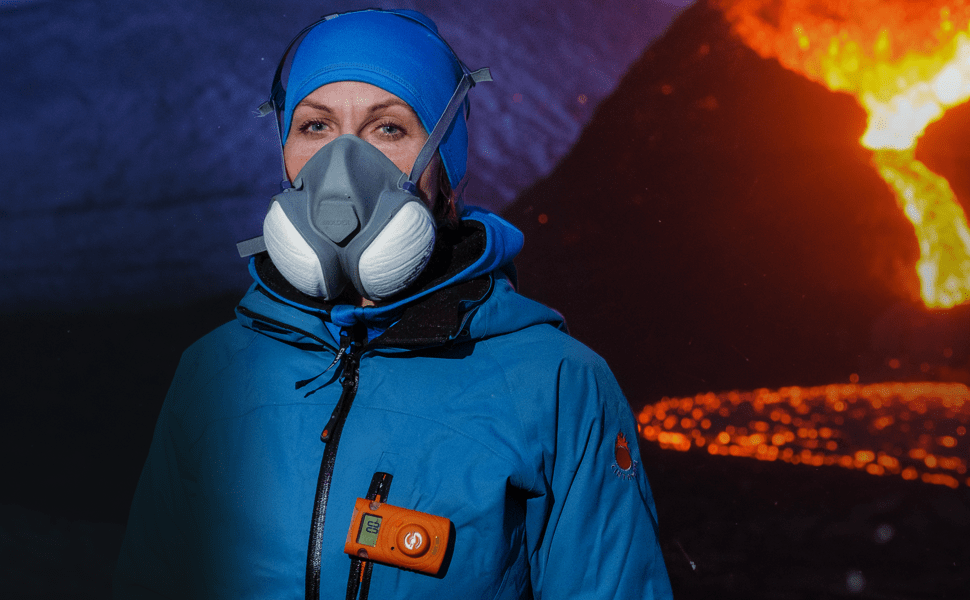
Various types of chemical substances and gases are either used or produced in every other industry. These are common in the production units, which implies that the workers in the production units are exposed to gases and chemical substances. Not all gases and substances are safe for human health, and exposure to them can cause serious implications.
The occupational exposure limit represents the number of airborne contaminants like gases, dust and other types of particles to which the workers can be exposed at a specific time. Calculating and maintaining the occupational exposure limits is more than critical to ensure the safety and wellbeing of the workers and avoid legal actions like penalties and suspensions etc.
Keep reading this article to explore everything you should know about occupational exposure limits and make sure to improve the quality and safety of your working environment.
Top 7 Categories of Occupational Exposure Limit You Should Follow
Most of the time, the hazardous and toxic gases in the workplace are the biggest concern of the authorities in terms of better health and overall wellbeing. To maintain the safe level of occupational exposure limit of various gases, the authorities need to measure it with the help of gas detectors. For this, they need to account for various categories of occupational exposure limits too.
Read also : The Ultimate Revelation of Carbon Monoxide Detection System
Here are some of the major categories of occupational exposure limit that various types of organizations should know and follow.
1. Threshold Limit Value
The first category of occupational exposure limit that the authorities should know about is the threshold limit value. The threshold limit value represents the maximum average concentration of the hazardous gases or airborne particles that the workers can be exposed to during a working day or working week. The above of this can initiate legal action against authorities. Due to this, many organizations consult gas detector Dubai based suppliers and ensure to maintain safe levels.
2. Short-Term Exposure Value
The short term exposure limit is the next category of occupational exposure limit that the authorities need to measure essentially. The short term exposure value represents the fifteen minutes of time-weighted average exposure, which should never exceed, in order to minimize the dangers of serious health conditions and damage to property.
3. Time-Weighted Average
Time-weighted average represents the average concentration of toxic, hazardous gases and airborne particles limits that should be maintained in a working atmosphere for an average of eight hours. If the concentration of these hazardous particles or substances increases than the shared limit, it can endanger the life of the workers. This specific category only focuses on eight hours average on routine and not the overall work cycle or work life in the specific atmosphere.
4. Permissible Exposure Limit
Permissible exposure limit in the working atmosphere means the time-weighted average threshold limit of the exposure to the hazardous gases or airborne contaminants that the workers can be exposed to during eight hours. The workers should never be exposed to these chemicals for more than eight hours, or it will threaten their wellbeing and life.
5. Ceiling Exposure Value
The ceiling exposure value represents the maximum concentration of hazardous and toxic substances to which the workers are exposed at any given time. It is an important category of occupational exposure limit that should be monitored and maintained at all times so it does not hurt the health and wellbeing of the workers present in that particular atmosphere for a limited or long time.
6. Acute Exposure
Acute exposure is one of the dangerous categories of occupational exposure limit that the authorities need to be aware of. Acute exposure means single and intense exposure to hazardous gases or toxic substances on a single day. Acute exposure is dangerous as it can cause serious threats to health and lead to death in a few minutes or hours.
7. Chronic Exposure
The last category of occupational exposure limit that the authorities need to watch out for is chronic exposure. Chronic exposure represents the recurring or continuous exposure of the workers to hazardous gases or toxic substances over a long time of at least three months or more. It can cause chronic health conditions leading to suffering and death. You can contact gas detector Dubai based suppliers and make arrangements to maintain a safe working atmosphere, so it does not take a toll on the health of your workers.
Watch and maintain exposure levels for a safe working atmosphere!
Now that you have sufficient knowledge about occupational exposure limits and its various categories, you must implement them in your practice and ensure the safety of workers and workspace. However, you need to be aware of the fact that manual measurement of hazardous substances, gases and particles is not possible. You need to install gas detectors and watch the concentration levels. So, contact the professionals to invest in the best detectors and reap the benefits.
Related articles:
 Gas Detector System