Installation of gas detectors is more than necessary in the current times. Even homes, offices, general public areas, and restaurants too need gas detectors, let alone the industries and factories exposed to hazardous gases. However, the choice of the detection system is dependent on a number of external and internal factors, in addition to common gas hazards.
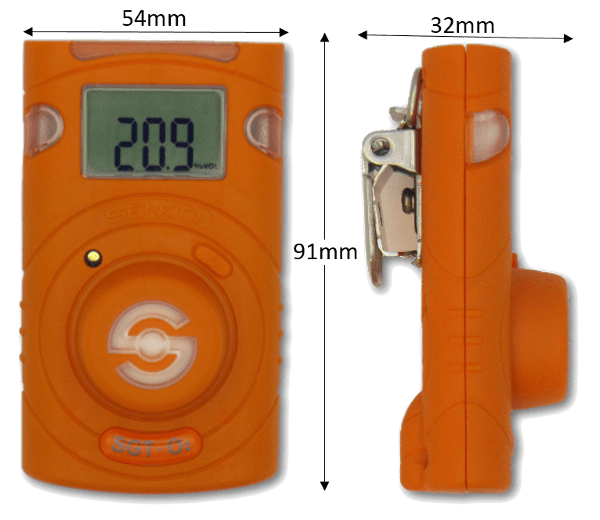
Portable gas detection is becoming quite common and popular nowadays. It means that the detection systems are carried to the areas where the leakage is expected to check and fix the issues. Not all industries and settings require the use of portable gas detectors. It is only suitable for settings that require infrequent testing and personnel access.
Dig deeper into this article to explore a brief guide about portable gas detection system applications and pick the suitable one according to your requirements.
Top 6 Applications of Portable Gas Detection System
As compared to the fixed detection systems, the portable gas detectors require directed monitoring, care, and handling as you will have to take it along, check the gas presence and then utilize the measures for fixation. However, before all of that, you need to be aware of the common settings that require the application of portable detectors in order to utilize them efficiently.
Here are some of the most common applications of portable gas detection systems that you should know about in order to utilize them efficiently in time of need.
1. Water Treatment Plants
Water treatment plants are one of the most common settings that require the application of portable detectors. There are numerous other subfields in the industry that require gas detection at various times, so a portable system is better suited for the need. Authorities in water treatment plants often contact gas detection system suppliers to get the best portable system for the detection of the following common hazards:
Common Hazards:
- Chlorine
- Sulphur Dioxide
- Carbon Dioxide
- Ammonia Flammable gases
- Liquid Natural Gas
- Liquid Petroleum Gas
- Nitrogen Dioxide
- Oxygen
2. Military
Another common application of portable gas detectors is the military which includes the navy too. The military and navy have to deal with frequent transportation, distribution, manufacturing, and storage of weapons, in which various types of gases are uses. Here are the common gas hazards to which the military setups are exposed:
Common Hazards:
- Flammable Gases
- Aviation Kerosene
- Diesel
- Gasoline
- Carbon Monoxide
- Carbon Dioxide
- Hydrogen Sulphide
- Volatile Organic Compounds
- Oxygen
3. Oil and Gas Industry
The most important and critical application of portable gas detectors is the oil and gas industry. There are numerous confined spaces, storage tanks, extraction sites linked with the field where fixed detectors cannot do the job, so portable detectors are required. The oil and gas industry is exposed to the following common gas hazards:
Common Hazards:
- Flammable Gases
- Liquid Natural Gas
- Liquid Petroleum Gas
- Crude
- Methane
- Carbon Monoxide
- Hydrogen Sulphide
- Carbon Dioxide
- Sulphur Dioxide
- Ammonia
- Nitrogen Dioxide
- Oxygen
4. HAZMAT Emergency Response
One of the most critical applications of portable gas detectors is the HAZMAT emergency response. The teams have to respond to the critical sites with fire explosions, collapse, and other life-threatening situations, so they need to carry portable detectors for their and the public’s safety. Some common gas hazards HAZMAT teams might be exposed to include:
Common Hazards:
- Flammable Gases
- Liquid Natural Gas
- Liquid Petroleum Gas
- Crude oil
- Methane
- Carbon Monoxide
- Carbon Dioxide
- Hydrogen Sulphide
- Sulphur Dioxide
- Chlorine
- Nitric Oxide
- Nitrogen Dioxide
- Ammonia
- Phosphine
- Hydrogen Cyanide
- Volatile Organic Compounds
- Oxygen
5. Marine
One of the uncommon and unknown applications of portable gas detectors is the marine industry. A lot of carriages and passenger ships move in the waters that can get damaged due to external and internal factors. So portable detectors are required to control the damages. Some common gas hazards in marine include the following;
Common Hazards:
- Flammables
- Liquid Petroleum Gas
- Liquid Natural Gas
- Carbon Monoxide
- Hydrogen Sulphide
- Oxygen depletion
- Nitrogen
6. Confined Spaces
The last common application of portable detectors are the confined spaces. Accessing the confined spaces is not easy at all. On top of that, they might not be frequently accessed, so installing a fixed detector there might not be an ideal choice. Instead, you can consult safety equipment suppliers and get a portable system to detect the following hazardous gases in confined spaces:
Common Hazards:
- Oxygen
- Carbon Monoxide
- Hydrogen Sulphide
- Methane
- Ammonia
- Chlorine
- Nitrogen Dioxide
- Sulphur Dioxide
- Hydrogen Cyanide
Identify your needs to get the best system!
You can only utilize the gas detectors to their fullest if you are aware of your needs and requirements. If you try to use a fixed detector for the confined spaces, it might not provide the desired results and serve your needs. If you are not much knowledgeable, get in touch with experts to get a fair idea about your needs and acquire a suitable detection system that ensures safety and security.
Recommended :

 Gas Detector System